
On this page:
Strengthening post-border biosecurity
Australia’s environment and agriculture are under constant pressure from introduced and invasive species. Border controls are an important barrier, but some pests, weeds and diseases still elude these measures. Early detection after arrival is therefore critical to give biosecurity agencies the best chance of responding quickly and managing or eradicating threats.
Turning biodiversity data into alerts
The Atlas of Living Australia (ALA), an NCRIS-supported national biodiversity data infrastructure hosted by CSIRO, aggregates biodiversity occurrence records from a large network of data providers. Because observations from citizen science platforms and other data sources flow into the ALA, it is often one of the first places where new species incursions are publicly recorded. The Biosecurity Alerts project turns this data flow into a practical surveillance capability by notifying biosecurity managers when invasive species of environmental, animal or plant health concern are reported.
Partnering with biosecurity agencies
The ALA collaborated with the Commonwealth Department of Agriculture, Fisheries and Forestry (DAFF) to develop the Biosecurity Alerts system. The system provides email notifications to subscribers about occurrences of invasive species they are monitoring locally. The ALA has developed spatially specific alert notifications that can be defined by users, including state and territory boundaries, local government areas and biosecurity zones.
Providing an extra layer of defence
The value of the system has been demonstrated through detections including a suspected sighting of Asian shore crab in Port Phillip Bay, Victoria, which was uploaded to the ALA and provided the earliest available alert of the incursion.
Detections of both Red Imported Fire Ants (Solenopsis invicta) and Mouse-ear hawkweed (Hieracium pilosella) reported through the ALA have assisted eradication efforts. These examples demonstrated that the ALA notification system can provide over nine months earlier warning of an incursion than would otherwise have been detected.
The value of NCRIS investment
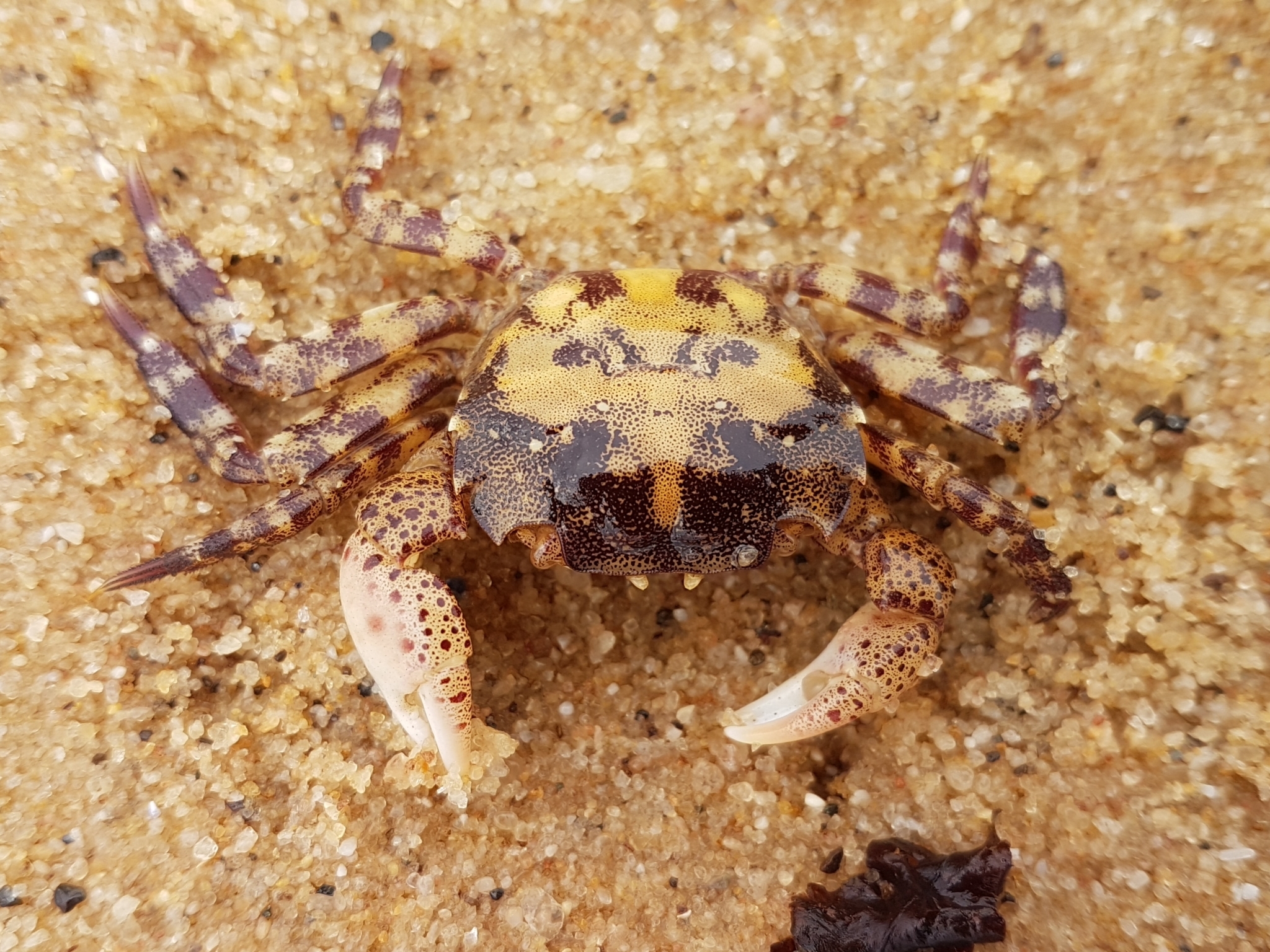
Biosecurity Alerts provided an early alert of a sighting of an invasive species the Asian shore crab in Port Phillip Bay, Victoria.
Credit: djurliv, CC BY-NC
The Biosecurity Alerts project shows how NCRIS-backed research infrastructure can convert open biodiversity data into actionable intelligence of operational value to government authorities and industry. By connecting national data infrastructure, citizen science observations and biosecurity managers, the ALA provides an additional layer of surveillance that supports faster awareness of emerging threats and helps protect Australia’s environment, natural biodiversity and agricultural systems.