
Malaria still claims a life every minute. To fight back, a Perth-based research team is testing thousands of possible answers using the Setonix supercomputer.
On this page:
Prof Melissa Penny and the Global Disease Modelling team at The Kids Research Institute Australia and The University of Western Australia have spent over a decade developing OpenMalaria in collaboration with the Swiss Tropical and Public Health Institute.
OpenMalaria is an individual-based model of malaria transmission and intervention dynamics used around the world.
Supported by a Gates Foundation grant, Prof Penny’s team is developing two parallel initiatives: updating OpenMalaria with the latest epidemiological evidence, and using it to test next-generation vaccines, medicines and long-acting treatments before they reach clinical trials.
They are further supported by Coefficient Giving to support current and next-generation malaria vaccine trials and policy decisions.
The team is also running simulations for the Gates Foundation's Integrated Portfolio Management program, modelling thousands of combinations of emerging malaria products across over 300 regions in 18 African countries, to help decide where investment will be most effective.
Work at this scale, individual-based disease models, run across thousands of scenarios, refined using machine learning and Bayesian optimisation needs sustained computational capacity. Setonix delivers that capability, compressing years of complex modelling into actionable evidence for global health policymakers.
The question Prof Penny’s team is answering is more than if new tools can work; it’s which combination, in which regions, will save the most lives as quickly as possible.
Prof Melissa Penny. Credit: The Kids Institute
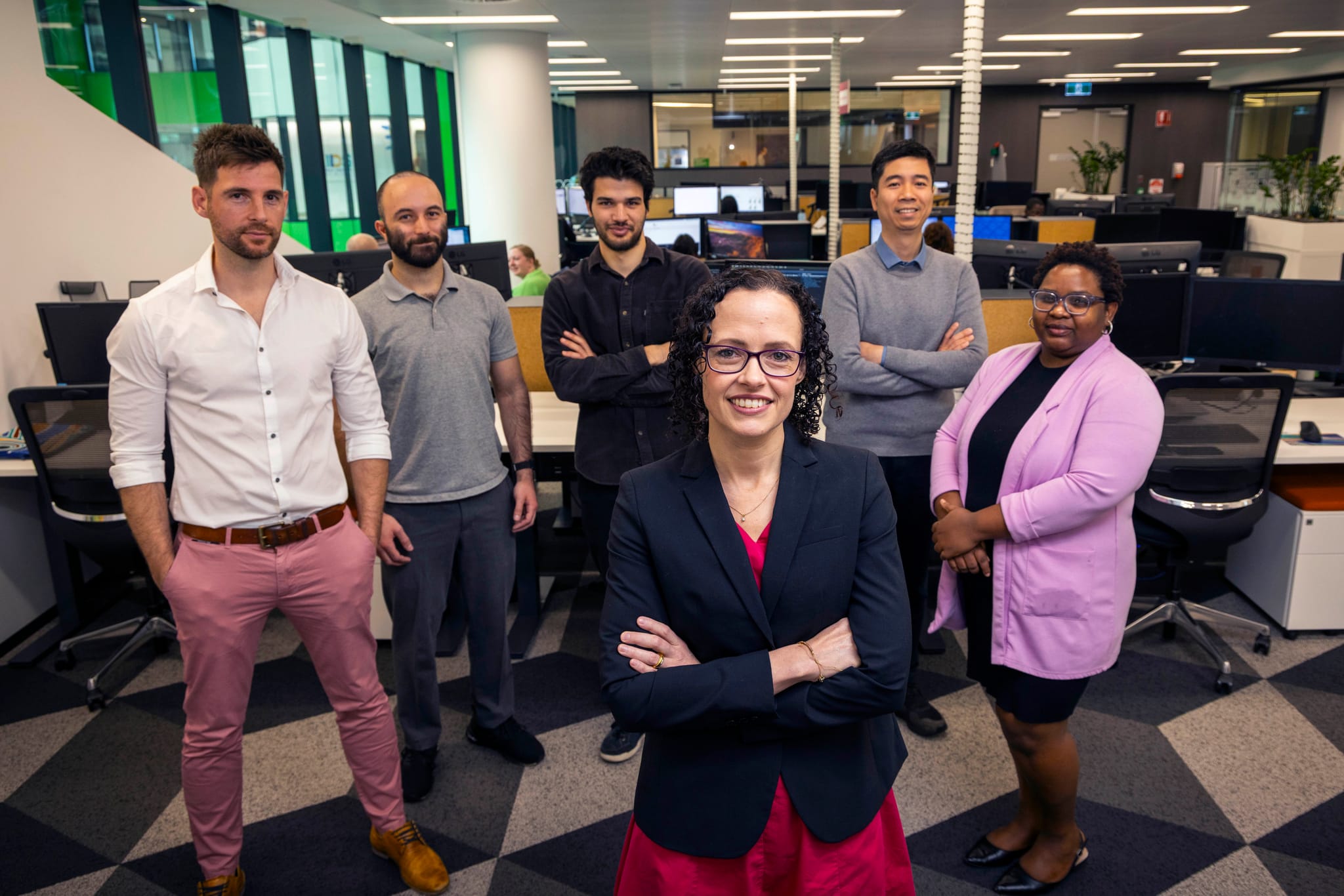
Prof Melissa Penny and Global Disease Modelling team. Credit: The Kids Institute