
On this page:
Developing climate-ready crops for a changing world
Australia's agricultural sector faces growing pressure from rising temperatures, more frequent droughts and increasingly unpredictable growing conditions. Traditional crop breeding can take many years to develop varieties suited to new climates, yet the pace of climate change means improvements to crop resilience must happen much faster. Enabled by the National Computational Infrastructure (NCI), researchers at the ARC Centre of Excellence for Plant Success in Nature and Agriculture (CoE Plant Success) are addressing this challenge by developing new prediction-based breeding approaches that can identify crops most likely to thrive under future environmental conditions.
Using NCI's Gadi supercomputer, researchers can model the complex interactions between plant genetics, environmental conditions and farming practices, known as Genotype-by-Environment-by-Management (GxExM) interactions. These relationships involve enormous datasets that cannot be analysed using conventional computing. This capability enabled the development of EasiGP, a machine-learning software toolkit that combines quantitative genetics with artificial intelligence to predict crop performance across different climates, soils and management practices.
Research delivering benefits beyond the laboratory
Released in 2025, EasiGP is already moving beyond research into real-world agricultural applications. Industry partners are using the software to identify regions of crop genomes responsible for adaptation to harsh agricultural environments, accelerating the development of more resilient crop varieties. By replacing decades of trial-and-error breeding with data-driven prediction, the software enables breeding programs to make faster, more informed decisions about which crops are best suited to Australia's changing climate.
The benefits extend beyond Australian agriculture. Researchers are collaborating with international partners to further improve the prediction methods and apply them across multiple crop species, helping strengthen global food security as climate pressures intensify.
Why investment in research infrastructure matters
This project demonstrates how national research infrastructure enables solutions to challenges that have significant economic, environmental and social benefits. NCI's Gadi supercomputer was fundamental to every stage of developing and testing EasiGP. Without access to high-performance computing, the scale and complexity of analysing millions of genetic and environmental data points would have made this research impractical.
By providing researchers with world-class computational infrastructure, NCI is helping transform advanced mathematics and artificial intelligence into practical tools that support Australian farmers, strengthen regional economies and improve national food security. As climate change continues to reshape agriculture, investments in research infrastructure ensure Australia can develop home-grown innovations that build resilience, increase productivity and help secure a sustainable food future for all Australians.
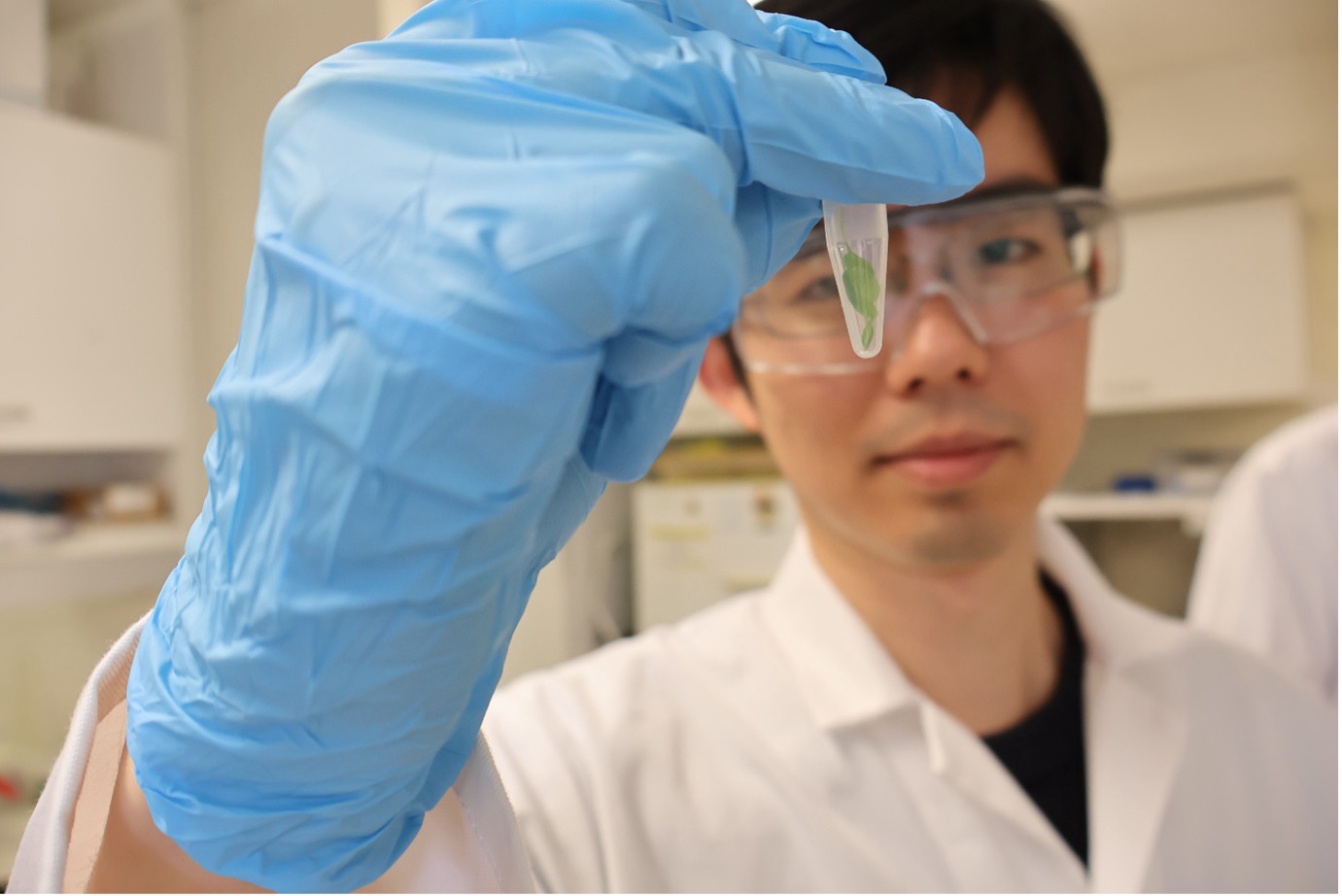
PhD candidate Shunichiro Tomura
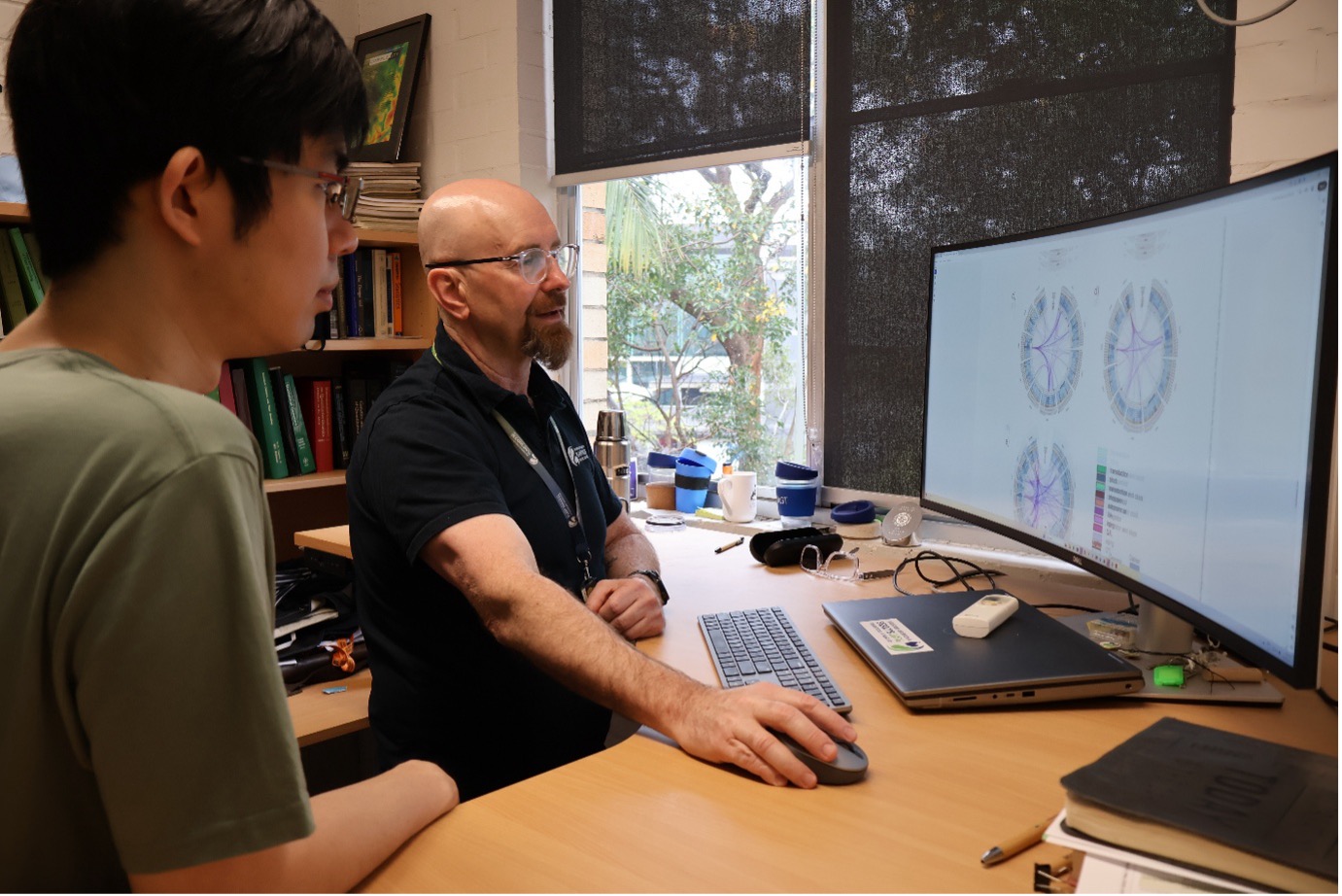
PhD candidate Shunichiro Tomura and Professor Mark Cooper