
In June 2026, Australia confirmed its first cases of the H5N1 strain of bird flu.
This is a serious strain of the virus that has been causing mass wildlife and poultry deaths overseas.
On this page:
CSIRO's Australian Centre for Disease Preparedness in Geelong, which receives NCRIS funding, is playing a major role in the response to the Australian detections.
ACDP has been conducting testing to confirm suspected H5N1 cases on behalf of state and territory governments.
The results are then provided directly to government to help them understand the situation and inform their decision-making.
One component of this testing is the sequencing of the genomes of the virus samples to confirm the exact strain – in this case, 2.3.4.4.b. The team can then analyse and compare genetic data to understand where cases may have come from.
Using this sequencing, ACDP staff were able to determine that the first two Australian cases were infected with the same genotype, B3.2, which had previously been detected in the sub-Antarctic islands. This meant scientists were able to point to Heard Island as the most likely source of the Australian infections.
After sequencing and analysing the genome of the first virus sample, CSIRO rapidly uploaded the full genome via GISAID (the Global Initiative on Sharing all Influenza Data). This supports laboratories, veterinary authorities and public health agencies worldwide to compare emerging viruses in near real time, strengthen surveillance, identify changes of potential concern and inform risk assessment and response.
ACDP testing can also provide important information about transmission of the virus between Australian birds.
In the case of South Australia’s crested terns, sequencing showed the genomes were so similar that it was unlikely to reflect separate incidences of the virus being introduced. In fact, some of the genomes were identical. This suggests likely transmission of the virus between birds in that area.
ACDP scientists are paying particular attention to certain parts of the genome for any changes or gene mutations. Importantly, while genotype B3.2 has been found across birds in the Americas and other regions in the Southern Hemisphere, it has not previously been detected in cattle. The spread of H5 bird flu in cattle in the United States was caused by a different genotype that has not yet been detected outside the US.
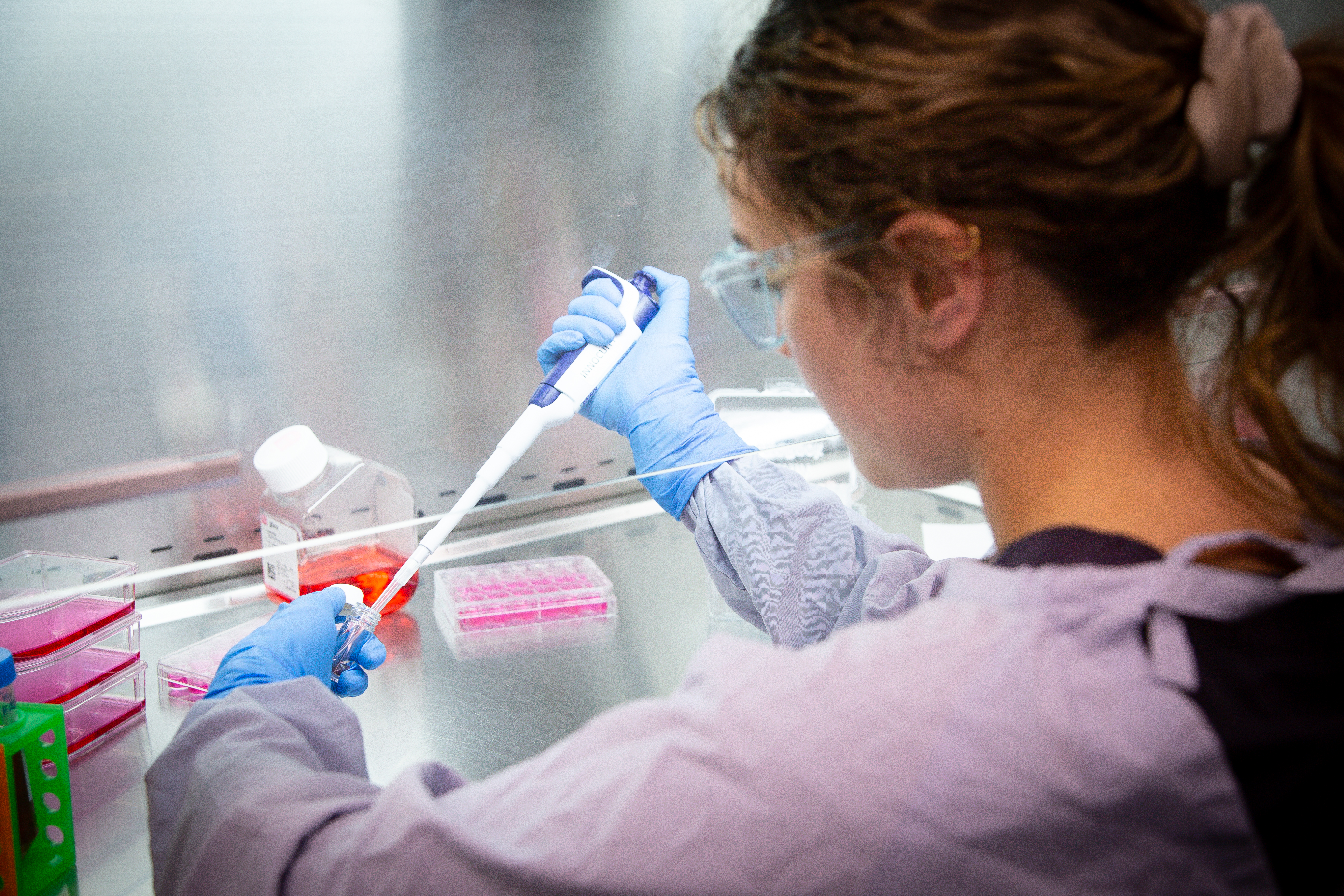
Working with samples in ACDP's secure lab requires precision and a steady hand.
Sequencing the virus genome has become essential in managing disease outbreaks like this one. Crucially, it can be done much quicker than in the past, with the ACDP team now able to get a whole influenza genome in around 15 to 26 hours.
You can find details of ACDP-confirmed cases and the latest advice on the Department of Agriculture, Fisheries and Forestry website.