
On this page:
Connecting knowledge systems
Indigenous ecological knowledge is based on thousands of years of studying native plants, animals and the environment. This knowledge has an important role in environmental protection and caring for Country.
The Atlas of Living Australia’s Indigenous Ecological Knowledge Program supports collaboration with Aboriginal and Torres Strait Islander people, promotes Indigenous ecological knowledge and languages, and links this knowledge to Western science.
Making knowledge visible and discoverable
Through the program, Indigenous language names and information about Australian species are being made available through the Atlas of Living Australia (ALA), in collaboration with Indigenous knowledge holders and Traditional Owner groups. This helps make Indigenous languages, species knowledge and information about land management practices from more discoverable and accessible to Western biodiversity data systems.
Building respectful partnerships
Western biological science is built on a naming system that assigns a unique Latin name for each species. These Latin names are used throughout global scientific communities and are the basis of a common language in Western biological sciences.
However, Indigenous names are often built around their purpose and/or their relationship to other plants and animals. They form part of a bigger story that carries traditional knowledge of the species - for example, not just what it is but also what it’s used for, when it’s used and who uses it.
The ALA has so far worked with knowledge holders from the Kamilaroi nation (north east New South Wales and south east Queensland), Noongar-Wudjari (southern Western Australia), and Ngukurr’s Yugul Mangi (South East Arnhem Land), helping to keep local languages and knowledge alive.
Delivering practical outcomes
The program has added 3,500 Indigenous names for around 700 species. For example, the Emu, now has 26 names listed in 13 languages from across Australia. These outcomes show how national research infrastructure can help broaden biodiversity knowledge and make it easier for researchers, government, industry and the public to learn from multiple knowledge systems.
The value of NCRIS investment
NCRIS support underpins the ALA, a national biodiversity data infrastructure hosted by CSIRO, Australia’s national science agency. Through the Indigenous Ecological Knowledge program, the ALA is helping bridge Indigenous and Western science knowledge, support Indigenous participation in biodiversity information management, and broaden the knowledge base available for environmental research, conservation and decision-making.
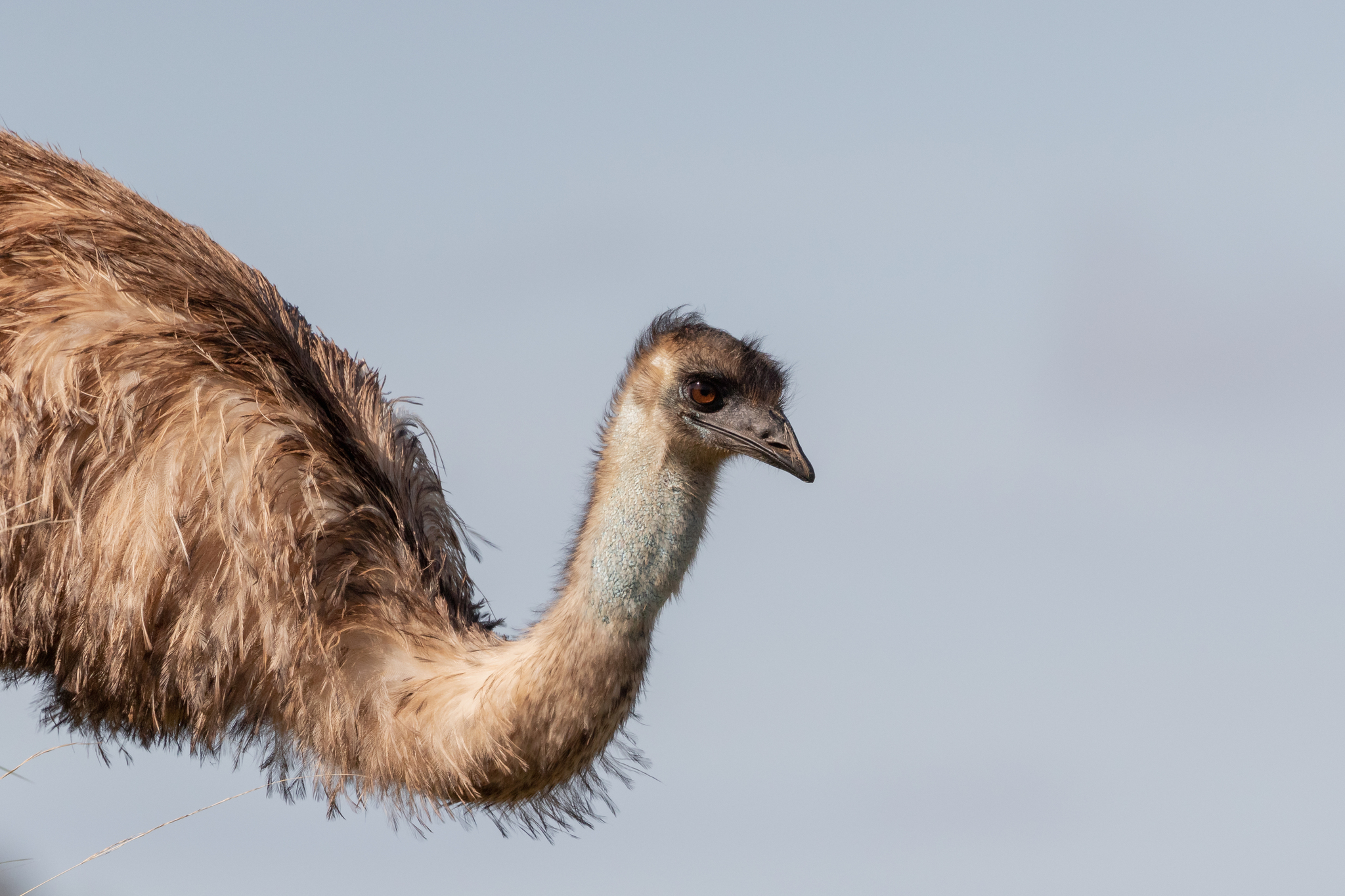
Our Indigenous Ecological Knowledge (IEK) program has added 26 names in 13 languages from across Australia for the Emu
Credit: James Bennett, CC BY NC