
Could planting more trees help prevent disease, reduce hospitalisations and save healthcare dollars? Research led by Professor Xiaoqi Feng from UNSW suggests it could.
On this page:
Using the Sax Institute’s 45 and Up Study, researchers linked health and mortality data from more than 100,000 Australian adults with measures of tree canopy and green space around where they lived. Over 10 years, living near more trees was associated with a lower risk of cardiovascular disease. Increasing tree canopy from 10% to 30% could save an estimated $193–$569 per person each year in healthcare costs.
In a world-first study, researchers also found that living in areas with more than 20% tree canopy was associated with a 14% lower risk of developing dementia over 11 years. Benefits may stem from increased physical activity and social connection, reduced stress, and protection from heat and air pollution.
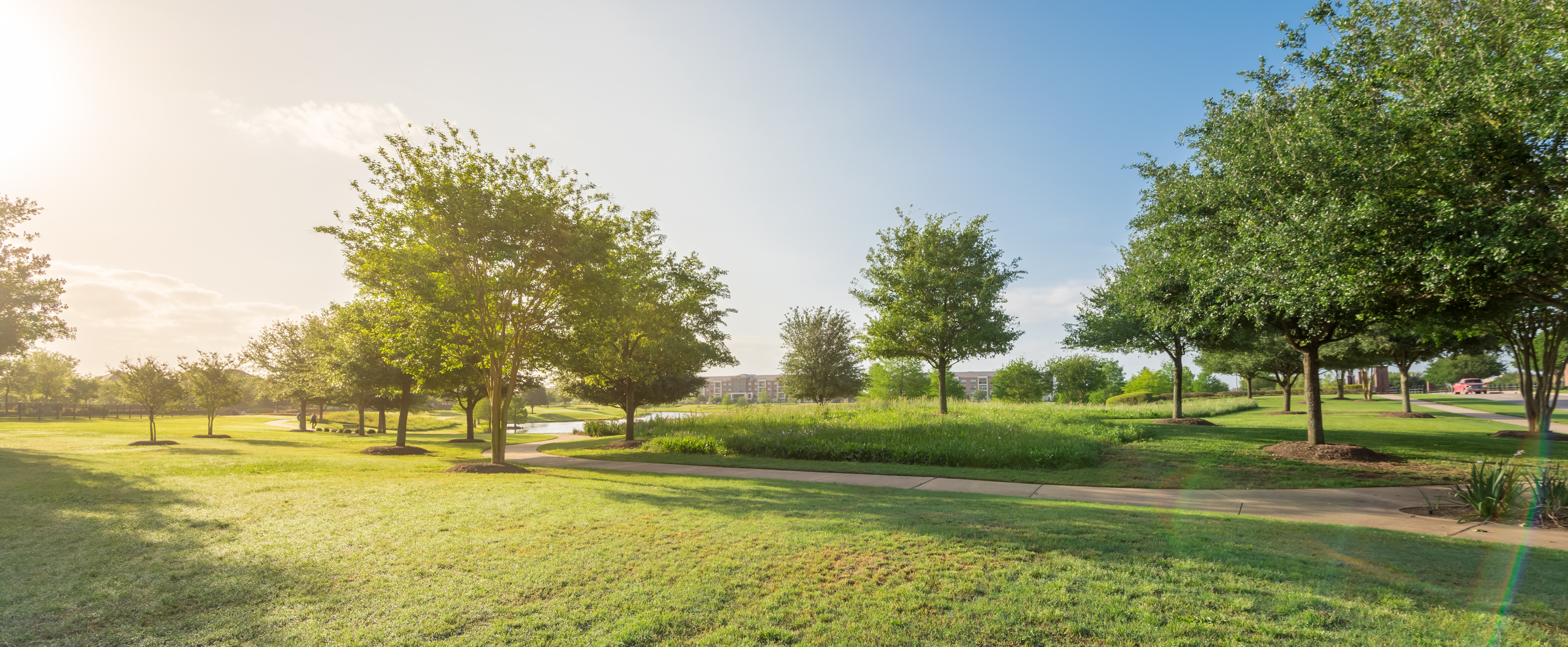
An urban park with a city skyline in the background.
Now, new Australian Urban Health Indicators developed by Data Connect Australia and partners are helping researchers, planners and policymakers understand how the built environment affects health.
Together, this evidence highlights urban trees as more than environmental assets—they are living health infrastructure that can help create cooler, healthier and more resilient communities.
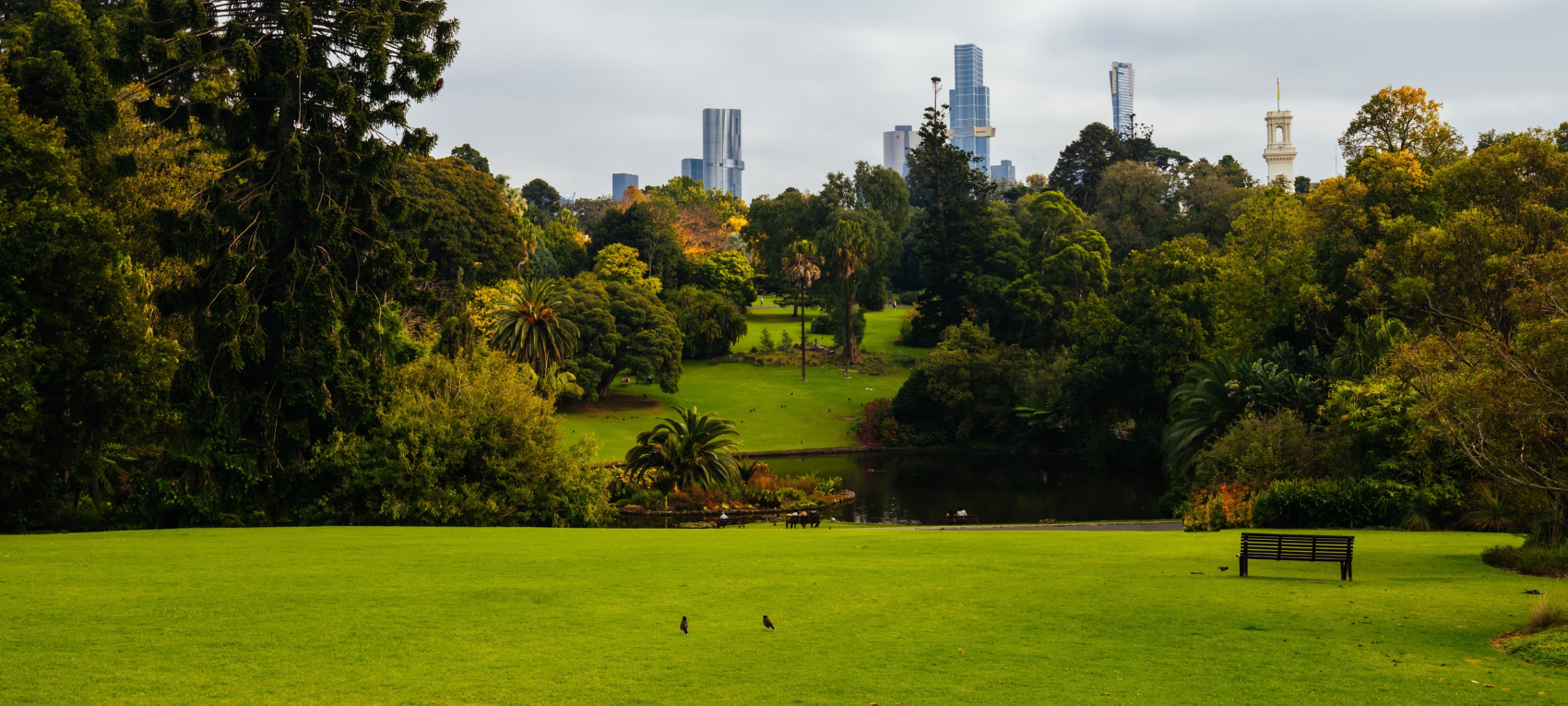
A park landscape.