
On this page:
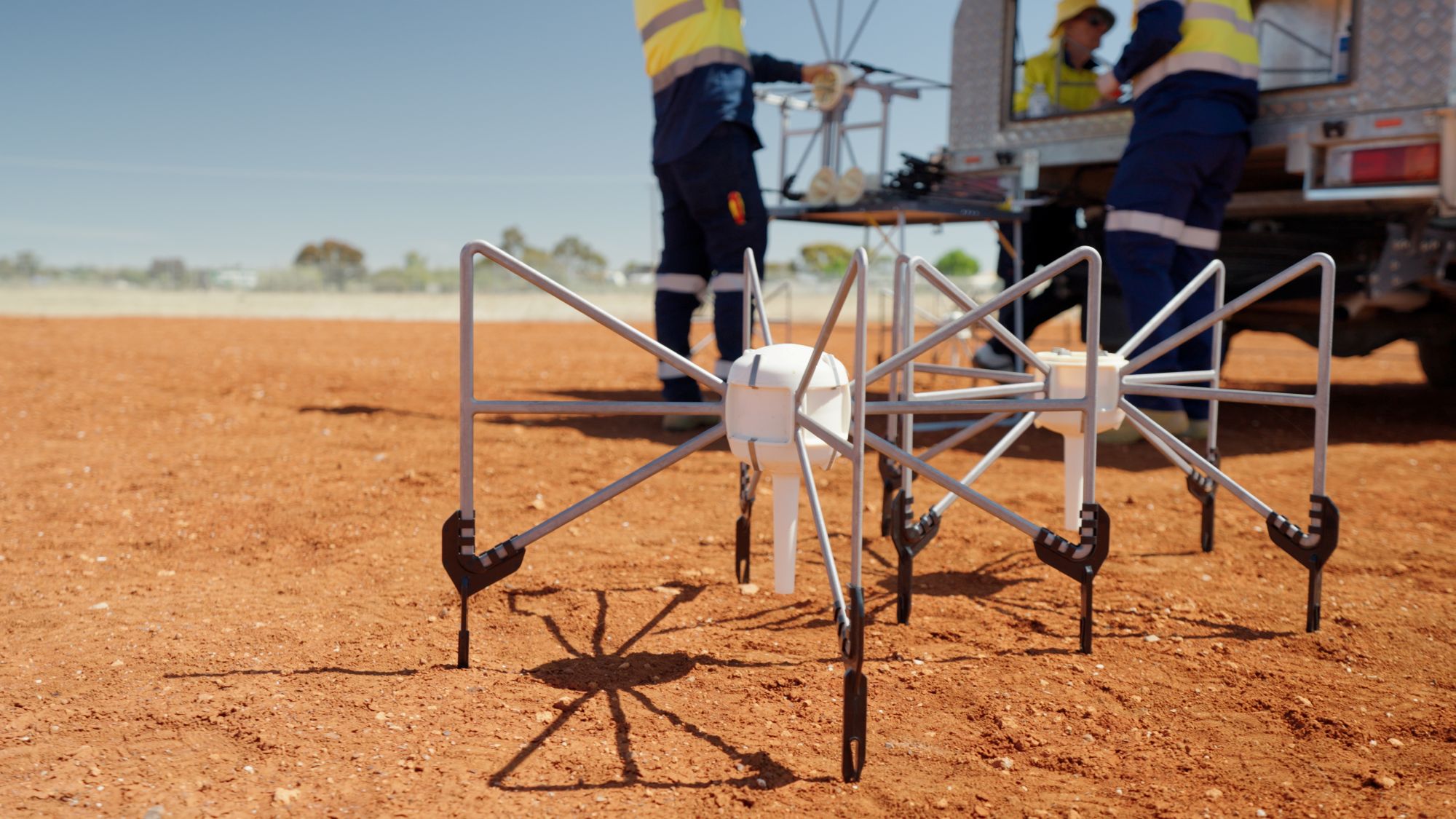
The spider-like antennas probing the early universe and keeping our skies safe
An array of Australian-made, spider-like antennas designed to explore the distant Universe is now being used to track the satellites above our head. The Murchison Widefield Array, an NCRIS-funded radio telescope at CSIRO's Murchison Radio-astronomy Observatory in Western Australia, is designed to probe the very early universe. The technology is also now being used to deliver all-weather, all-sky monitoring of space to detect, track, identify and characterise orbital objects.
Read more about the Murchinson Widefield Array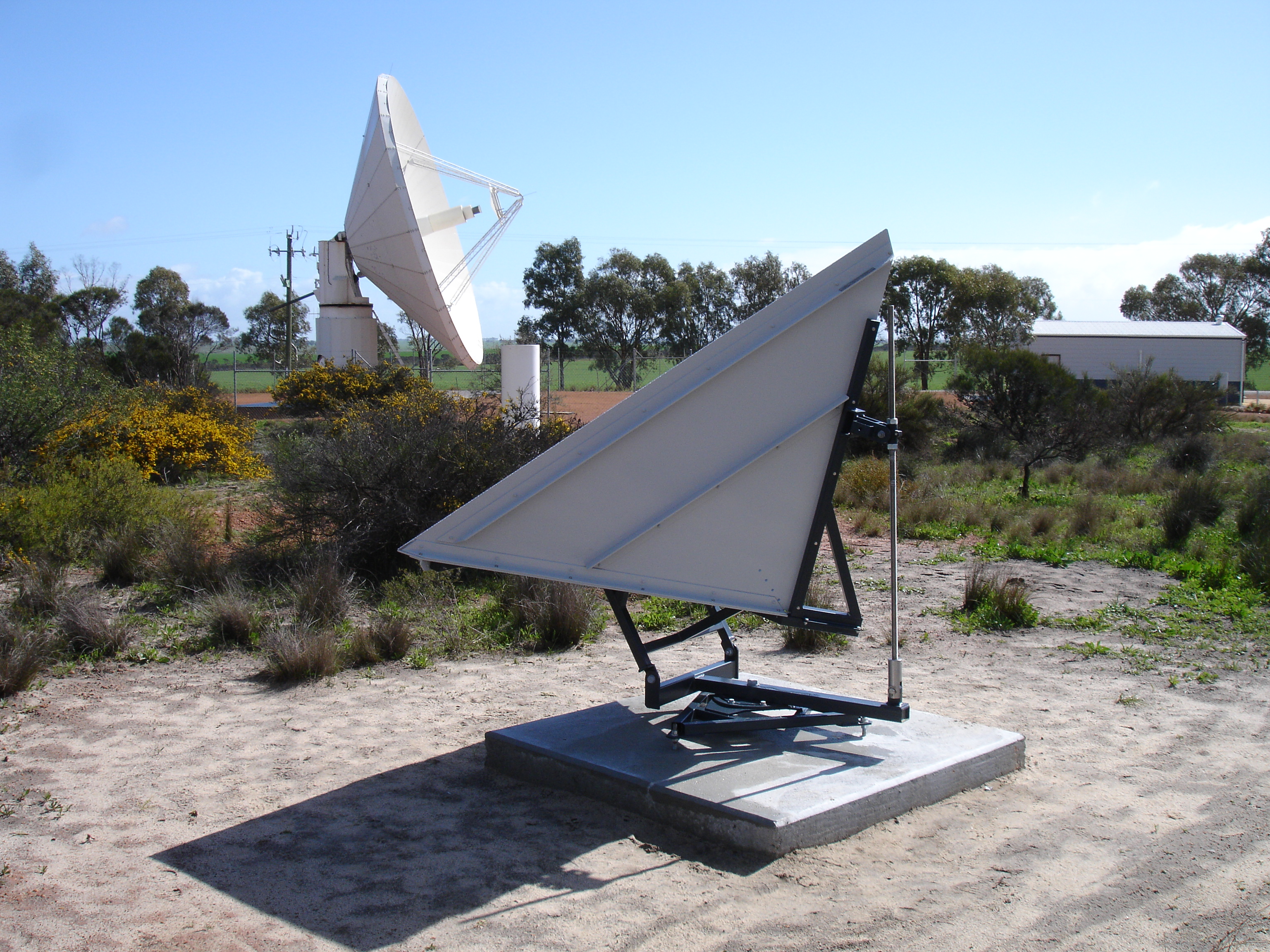
Ten years on the radar: How Australian infrastructure is supporting space agencies around the world
Radar satellites provide valuable information for environmental monitoring, resource exploration and disaster response. But to ensure satellite images accurately align with locations on Earth, satellite systems need reliable reference points on the ground. In 2014, the Queensland Corner Reflector Array was installed across Queensland’s Darling Downs region as part of the Australian Geophysical Observing System. Supported by a $1 million investment from AuScope, the array formed part of AuScope’s national geodetic research infrastructure. More than a decade later, this infrastructure has become an internationally significant asset for Earth observation.
Read more about the Corner Reflector Array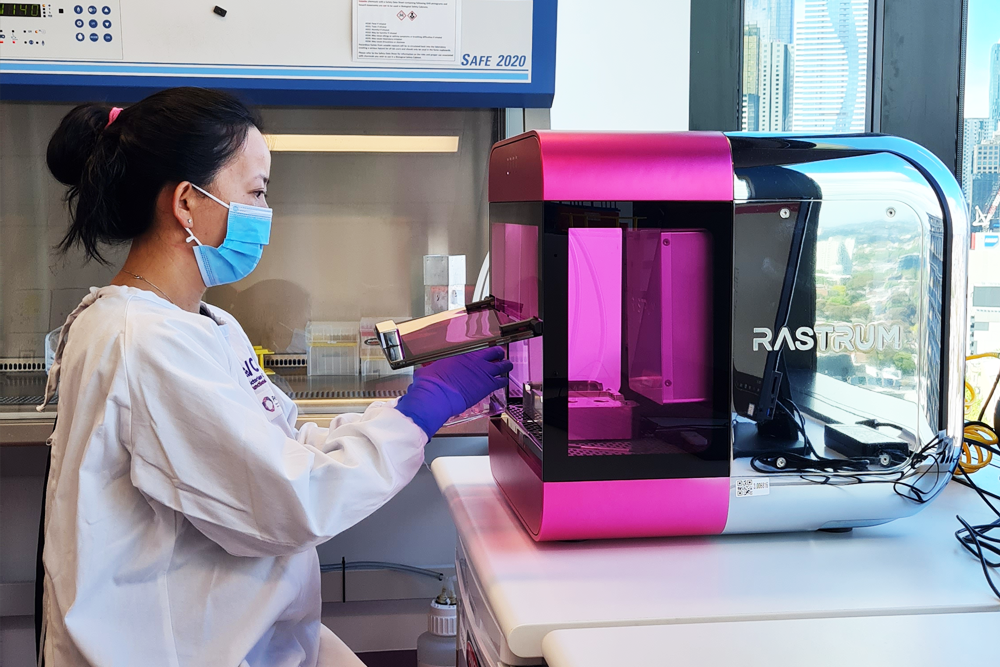
Australian-made technology adopted by the world’s leading pharmaceutical companies
Before a potential therapy can be tested in people, researchers need reliable evidence about the disease and how an intervention is likely to behave. Preclinical modelling generates this evidence through complementary approaches, including human cells, organoids and engineered tissues, in vivo models, and computational methods. It is the critical bridge between laboratory discovery and clinical development. Australian company Inventia Life Science, supported by Phenomics Australia, has developed RASTRUM, a 3D bioprinter manufactured entirely in Australia. RASTRUM produces consistent 3D cell models for studying disease and testing therapies in conditions that more closely resemble human tissue. It has now been adopted by eight of the world's top twenty pharmaceutical companies.
Read more about the technology
Persistent identifiers amplify Australian research impact
How can researchers find experts to collaborate with? How do funders track research impact? And how can governments calibrate research and innovation ecosystems to meet national challenges? The answer is Persistent Identifiers, or PIDs: machine-readable, unique codes identifying and connecting researchers, organisations, data, publications and countless other research components. PIDs are delivered in Australia by the AAF and the ARDC, with the Australian National PID Strategy driving uptake across Australia’s research landscape.
Read more about Persistent Identifiers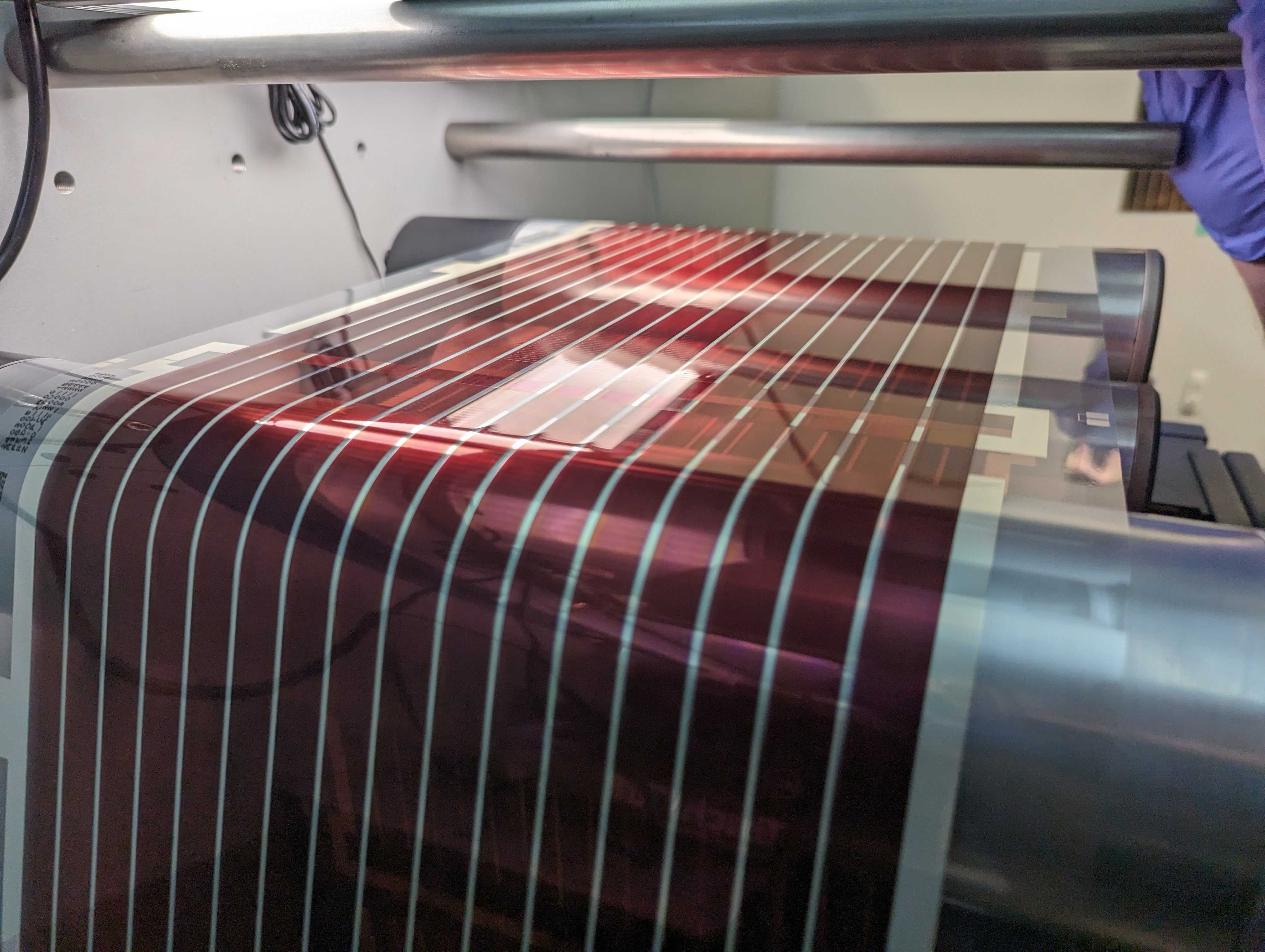
Solar energy on a roll
Increasing renewable energy generation is essential to reducing emissions, but conventional solar panels are not suitable for every application. Their weight, rigidity and installation requirements can limit deployment on curved surfaces, lightweight structures and temporary installations. Researchers at the University of Newcastle, supported by ANFF, developed a different approach: lightweight, flexible printed solar technology that can be manufactured using industrial roll-to-roll printing techniques.
Read more about printed solar