
On this page:
Responding to bird flu
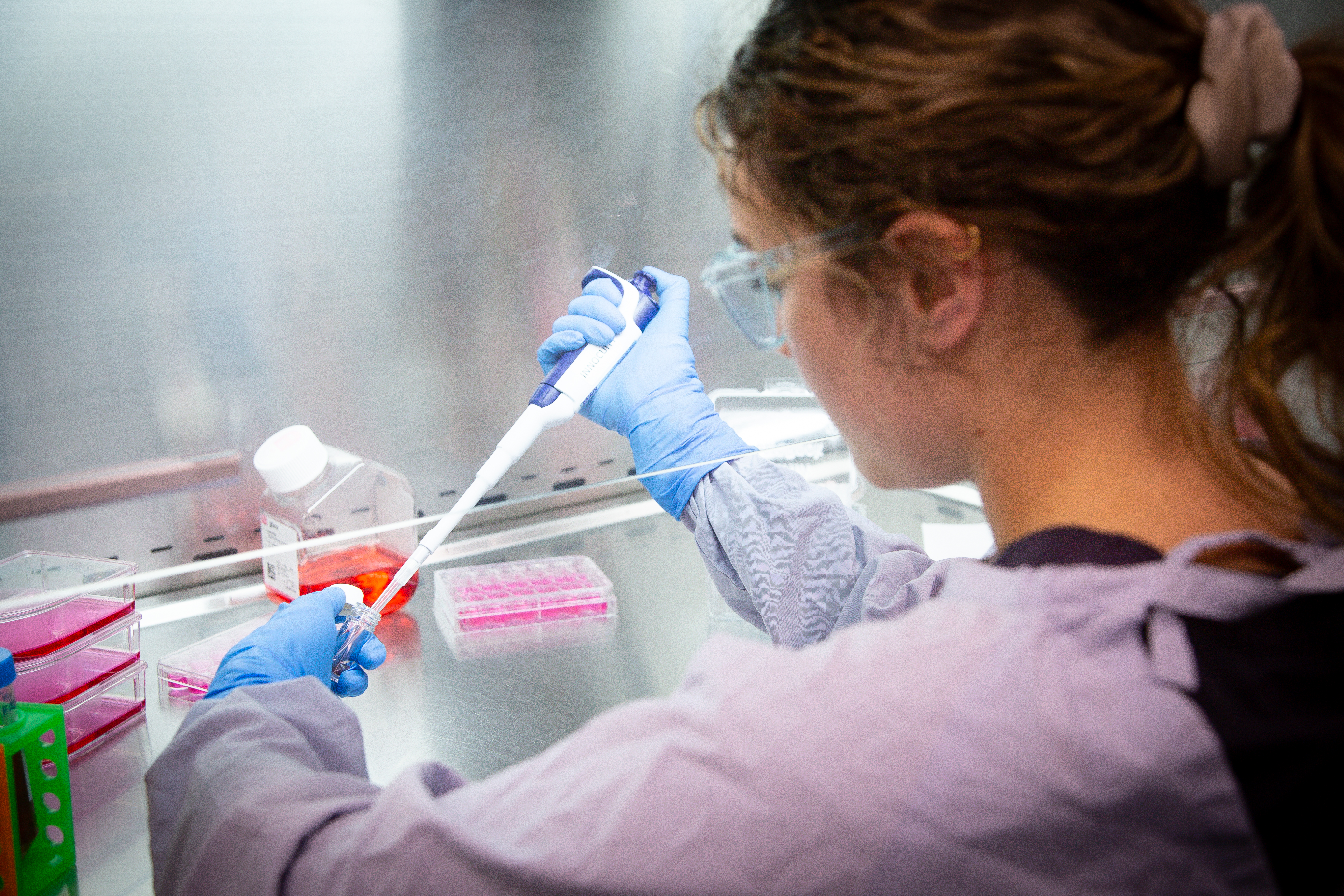
In June 2026, Australia confirmed its first cases of the H5N1 strain of bird flu. This is a serious strain of the virus that has been causing mass wildlife and poultry deaths overseas. CSIRO's Australian Centre for Disease Preparedness in Geelong, which receives NCRIS funding, is playing a major role in the response to the Australian detections.
Read more about the response
From housing data to smarter urban densification
Research led by Professor Peter Newton explored how Australian cities could increase housing density while retaining green space and the qualities people value about established suburbs. Using AURIN data and tools, including the AURIN-funded Envision platform, the research examined where additional housing could be accommodated within existing urban areas rather than relying primarily on continued expansion at the metropolitan fringe.
Read more about the platform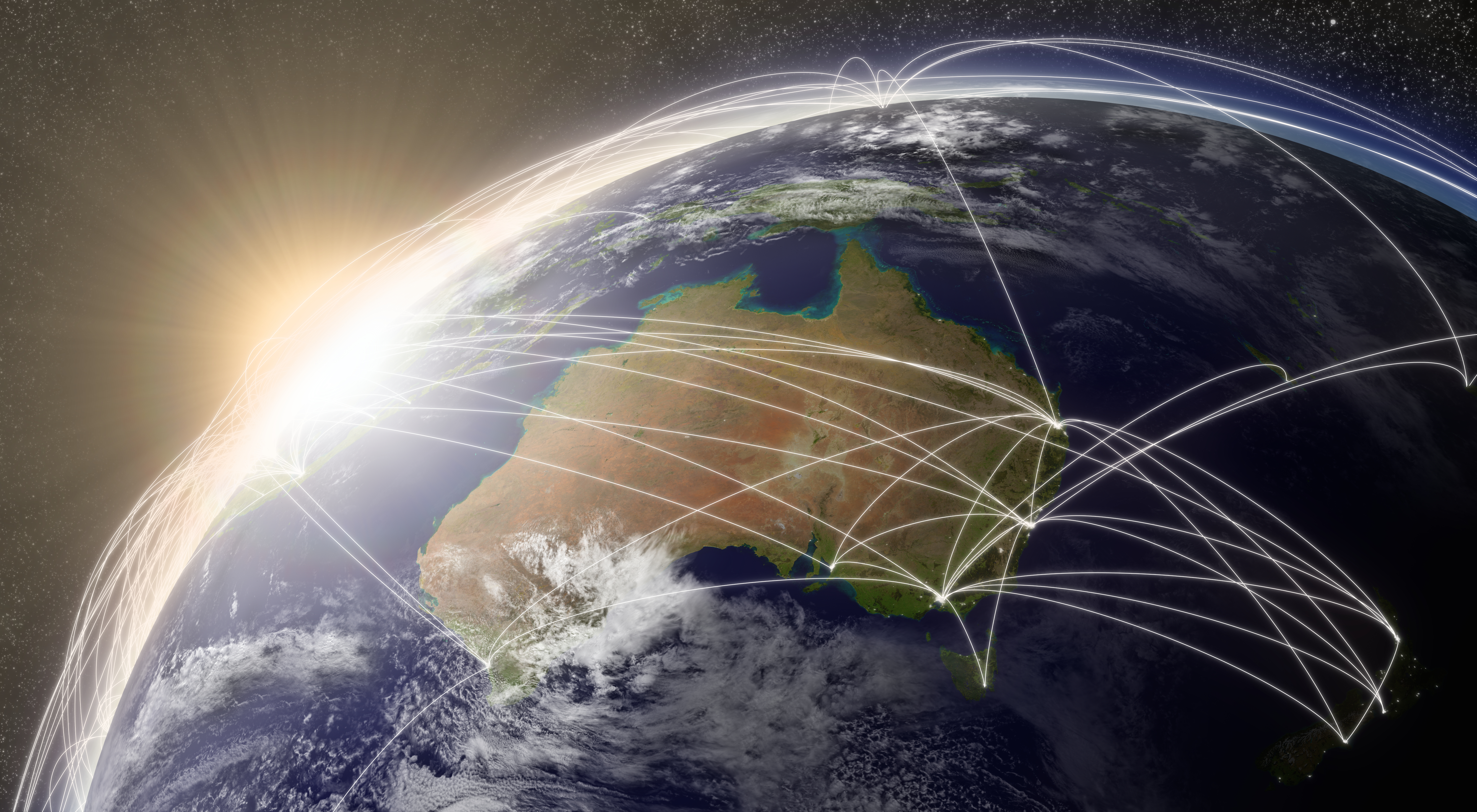
Trusted access that makes research possible
Australia’s researchers rely on digital infrastructure, data, computing and specialist services located across universities, research organisations and facilities, nationally and around the world. The Australian Access Federation (AAF) provides the trusted digital access that helps connect researchers to these resources securely, along with protecting this valuable knowledge.
Read more about the digital access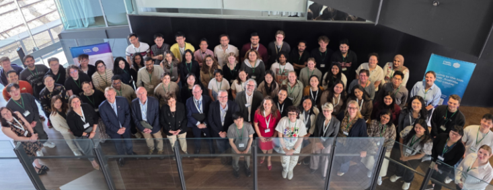
EMBL Australia PhD Course celebrates 10 years of training Australia’s future research leaders
EMBL Australia has celebrated 10 years of the EMBL Australia PhD Course, a two-week residential program which trains Australia's future research leaders. The program brings together leading researchers, educators and industry experts to support the next generation of Australian scientific leadership, covering everything from computational science to commercialisation of new regenerative therapies.
Read more about the program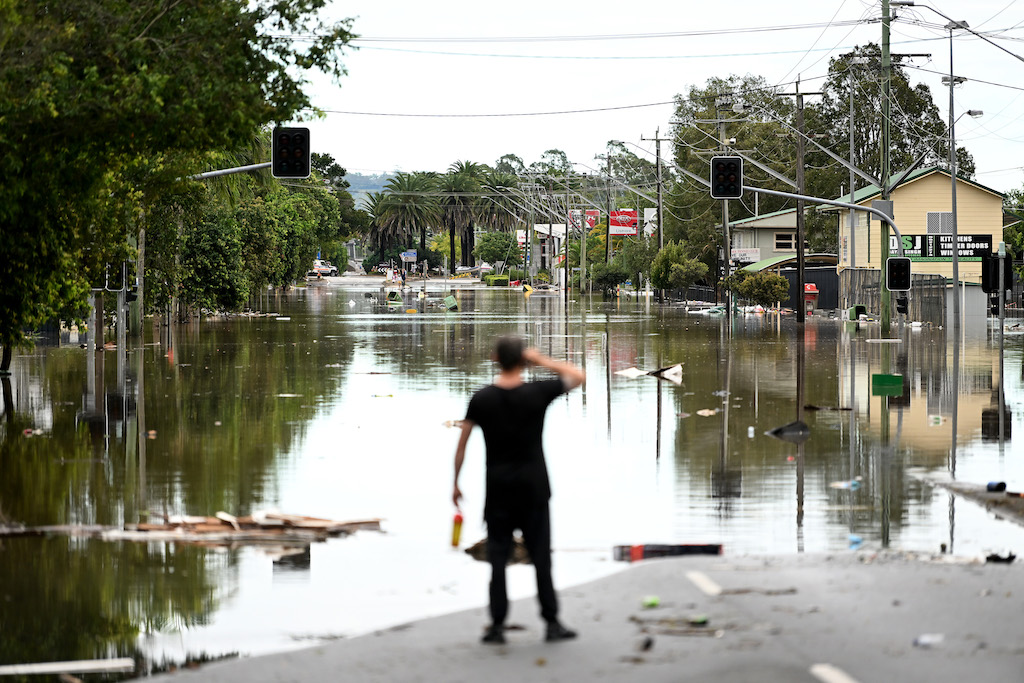
Climate-related disaster risk in Australia: Are risks higher for disadvantaged households?
Research led by Dr Antonia Settle examined how the financial impacts of flooding were distributed across communities in the Northern Rivers region of New South Wales. AURIN provided access to Australian Property Monitor data through the AURIN Data Provider, enabling researchers to integrate detailed property information with flood and socioeconomic data at a fine geographic scale.
Read more about the AURIN Data Provider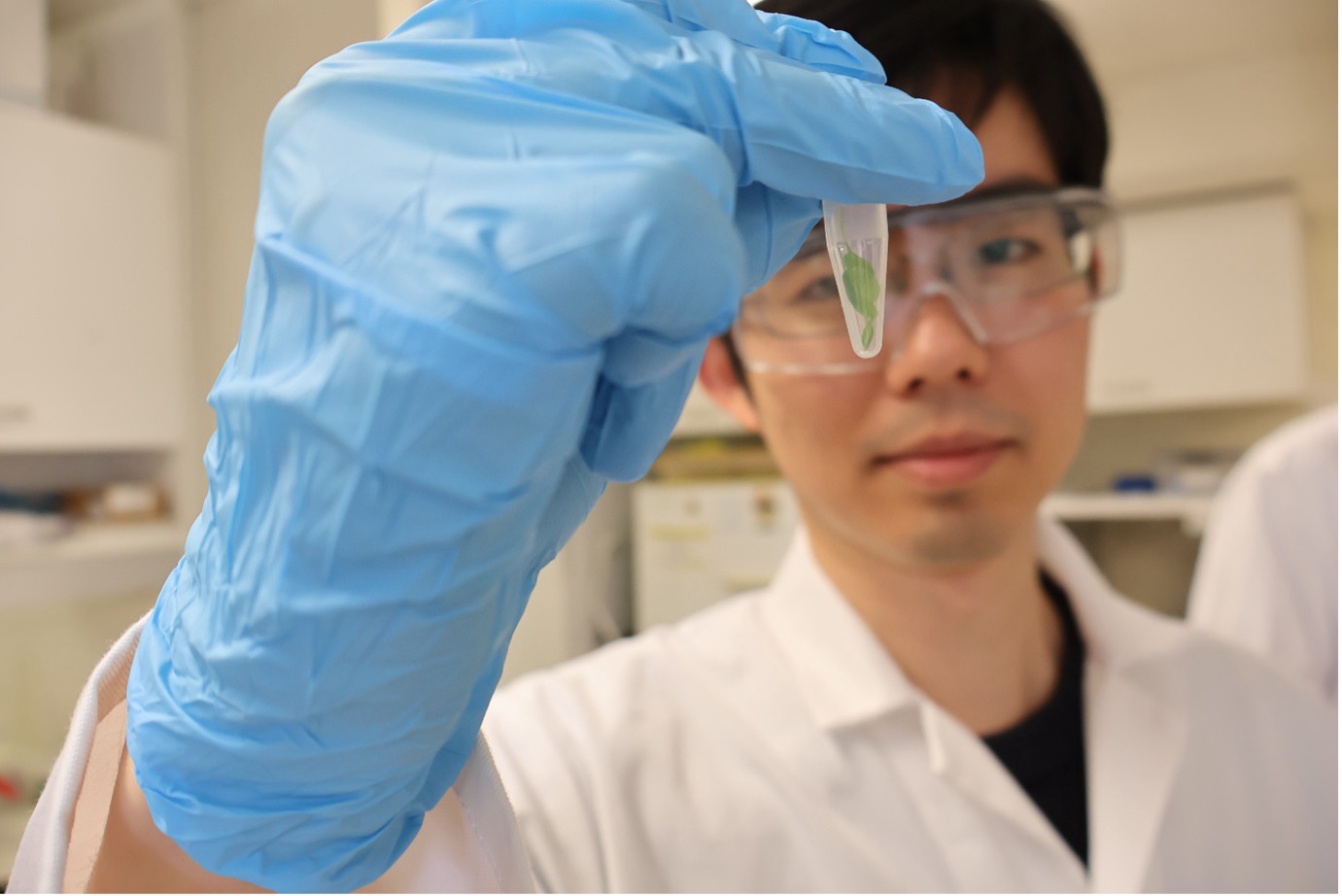
Increasing crop resilience to maximise food security and productivity
Australia's agricultural sector faces growing pressure from rising temperatures, more frequent droughts and increasingly unpredictable growing conditions. Traditional crop breeding can take many years to develop varieties suited to new climates, yet the pace of climate change means improvements to crop resilience must happen much faster. Enabled by the National Computational Infrastructure (NCI), researchers at the ARC Centre of Excellence for Plant Success in Nature and Agriculture (CoE Plant Success) are addressing this challenge by developing new prediction-based breeding approaches that can identify crops most likely to thrive under future environmental conditions.
Read more about the breeding approaches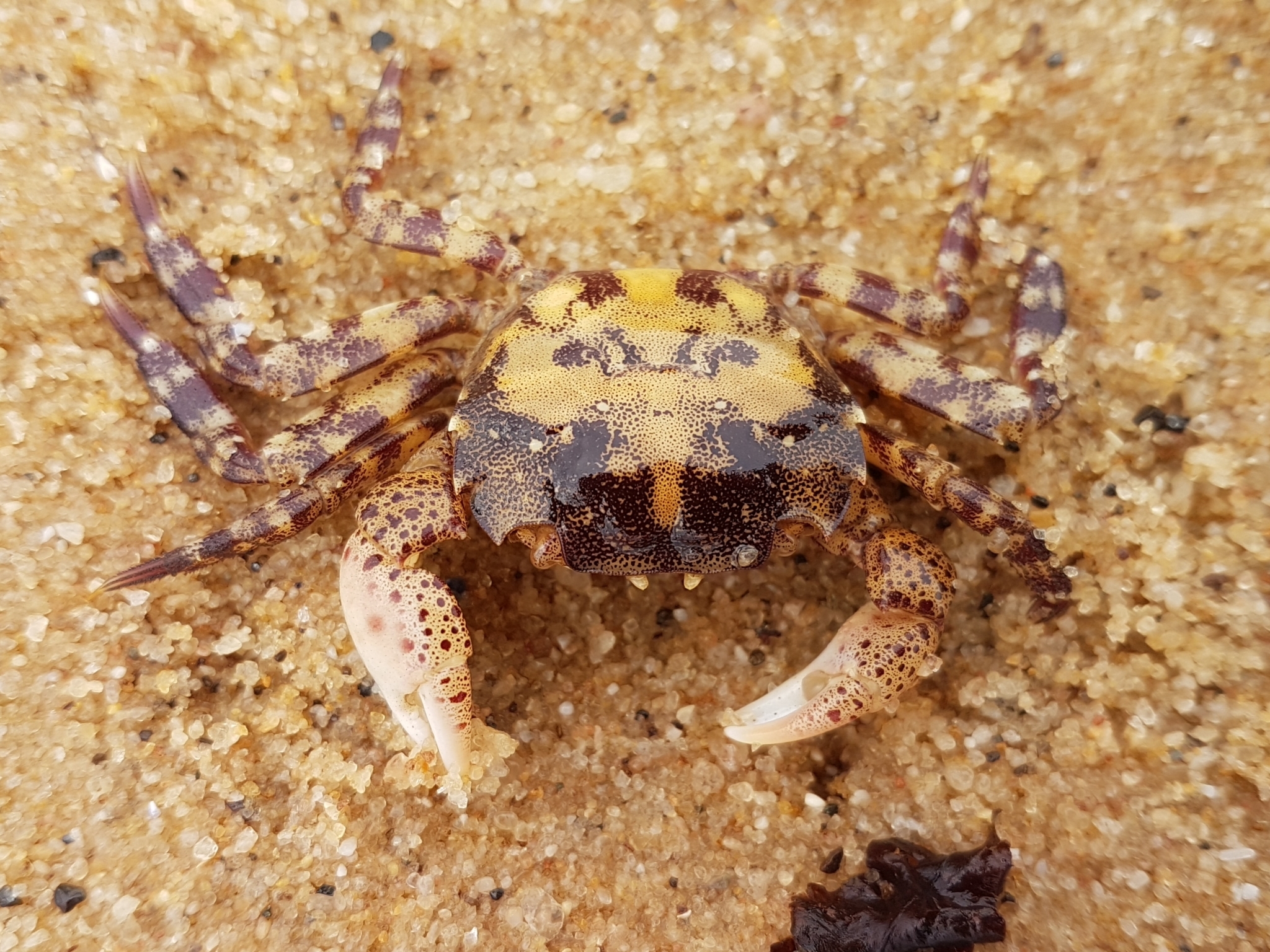
Stopping pests in their tracks
The ALA collaborated with the Commonwealth Department of Agriculture, Fisheries and Forestry (DAFF) to develop the Biosecurity Alerts system. The system provides email notifications to subscribers about occurrences of invasive species they are monitoring locally. The value of the system has been demonstrated through detections including a suspected sighting of Asian shore crab in Port Phillip Bay, Victoria, which was uploaded to the ALA and provided the earliest available alert of the incursion.
Read more about the Biosecurity Alerts project
Urban greening for health
Could planting more trees help prevent disease, reduce hospitalisations and save healthcare dollars? Research led by Professor Xiaoqi Feng from UNSW suggests it could. In a world-first study, researchers also found that living in areas with more than 20% tree canopy was associated with a 14% lower risk of developing dementia over 11 years. Now, new Australian Urban Health Indicators developed by Data Connect Australia and partners are helping researchers, planners and policymakers understand how the built environment affects health.
Read more about the Urban Health Indicators
Drought tolerant traits in wild barley
The Australian Plant Phenomics facility supported a study which revealed drought tolerant traits in wild barley. Barley is Australia’s second most important cereal crop; its yield is threatened by dry conditions. Wild barley is accustomed to dry conditions and is a valuable source of genes that can improve adaptation of cultivated barley to drought stress.
Read out more about wild barley
Stories and Structures - New Connections
A new touring exhibition, established by Microscopy Australia, brings together electron microscope images of the natural world with artworks from 21 Indigenous artists. It explores images that pass on knowledge and shape our understanding of the world and reveals rich parallels between Indigenous Australian visual language and microscopic structures. It is hoped that this exhibition will encourage more Indigenous students to pursue study and careers in STEM.
Read more about New Connections
Countering nuclear weapons proliferation
To counter the proliferation of nuclear weapons requires Australia to have the ability to evaluate threats and pursue non-proliferation policies. The backbone of this ability is having the necessary skilled people and infrastructure to carry out the Government’s goals. To support this, HIA plays a role in the training of PhD graduates in intelligence, nuclear safeguards, and international nuclear policy.
Read more about the training