International Women’s Day, celebrated each year on 8 March, is a global tribute to the achievements, leadership, and impact of women across all sectors. It also serves as a powerful reminder of the ongoing work needed to make gender equality a reality.
This year’s theme ‘Give to Gain’ highlights the importance of generosity and collaboration. It emphasises how support from individuals, organisations and communities can expand opportunities for women and strengthen pathways to participation and leadership.
One organisation creating opportunities for women is the Terrestrial Ecosystem Research Network (TERN), funded through the department’s National Collaborative Research Infrastructure Strategy (NCRIS). NCRIS provides researchers with access to tools, equipment, data, and services to support world-class research.
This year, we are celebrating International Women’s Day by sharing the story of Jo Owens, a TERN researcher working to better understand Australia’s climate and environment, demonstrating how support and opportunity can help women excel in scientific research.
How did you get into the role?
I grew up in Fiji and always had an interest in nature and the environment. I studied engineering at university and tried to do as many environmental science and hydrology subjects as I could. Through this work with TERN and NCRIS, I can now work in an area I’m very passionate about.
Where do you currently work and what does that involve?
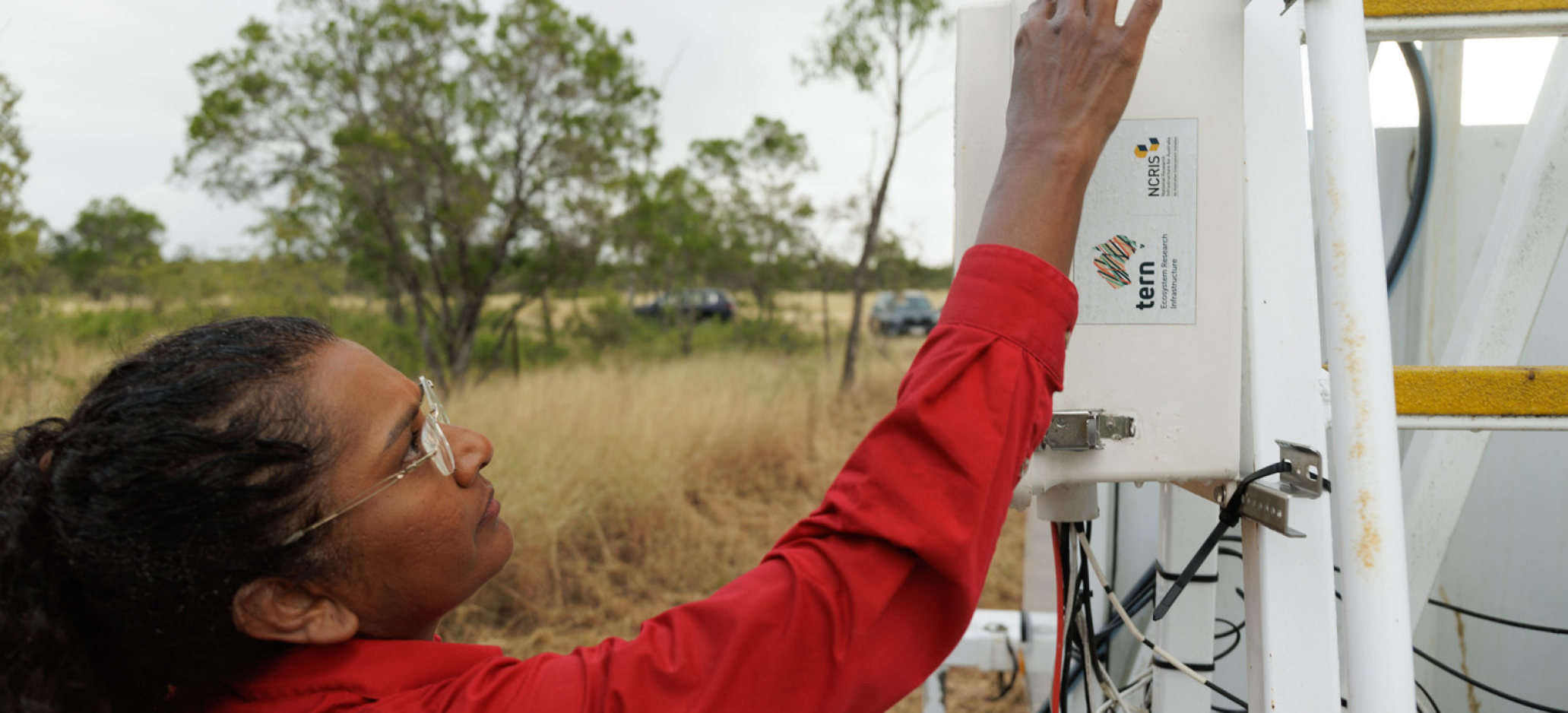
I work at the University of Southern Queensland as a research scientist leading a project on measuring water and carbon fluxes at a grazed Eucalypt savanna woodland. I get to work closely with leading researchers from other universities, the CSIRO, the Bureau of Meteorology and three Queensland Government departments. I also get to work very closely with graziers who work on and manage grazed savannas. My work involves doing field work to measure how much water trees and shrubs use, how much water is lost through evapotranspiration, and how much carbon these Eucalypt woodlands can store in exchange for the water they use.
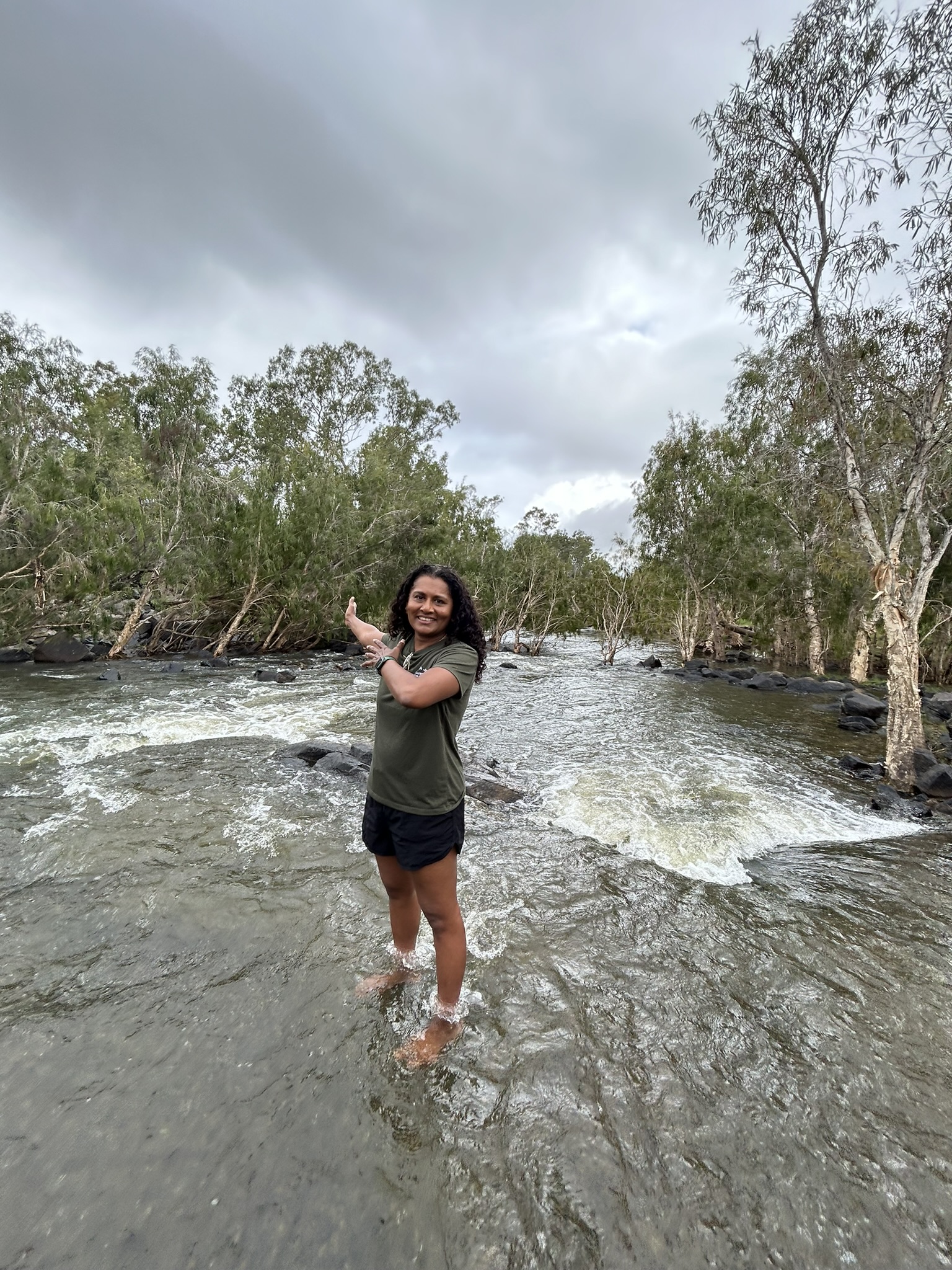
Jo Owens from the Terrestrial Ecosystem Research Network
What the best thing you have worked on?
Working on the major rivers in Fiji to prevent flooding was the best thing I have ever worked on. The field monitoring work in the stunning rivers and estuaries always felt like being on a holiday.
What do you love about working in STEM?
The thing I love best about working in STEM are the amazing scientists, technicians and engineers I get to work with. Most people who work in environmental protection seem to love their work and it rubs off. The work is also very meaningful, because we get to protect these beautiful Eucalypt woodlands through our work.
What does an average day look like for you?
An average day is usually in front of the computer, downloading and making sense of the enormous amounts of data we collect. The data collection all happens automatically, and we can look at photos and the data remotely from our desktops. At the moment I am also using the data we collected to do computer simulation modelling with colleagues from the Queensland government. Our field measured data has been helping to improve and ground truth their operational models.
Watch LTER at Australia's Fletcherview Savanna Rangelands SuperSite & Critical Zone Observatory video to learn more about Jo’s work (Credit: Nicolas Rakotopare, TERN Australia)
NCRIS: Celebrating 20 Years of Research Support and Innovation